Wine tourism
Wine Hospitality: How Fairs and Wineries Are Redefining Wine Tourism
Wine Hospitality is now the term used to define this new alliance between fair and estate.
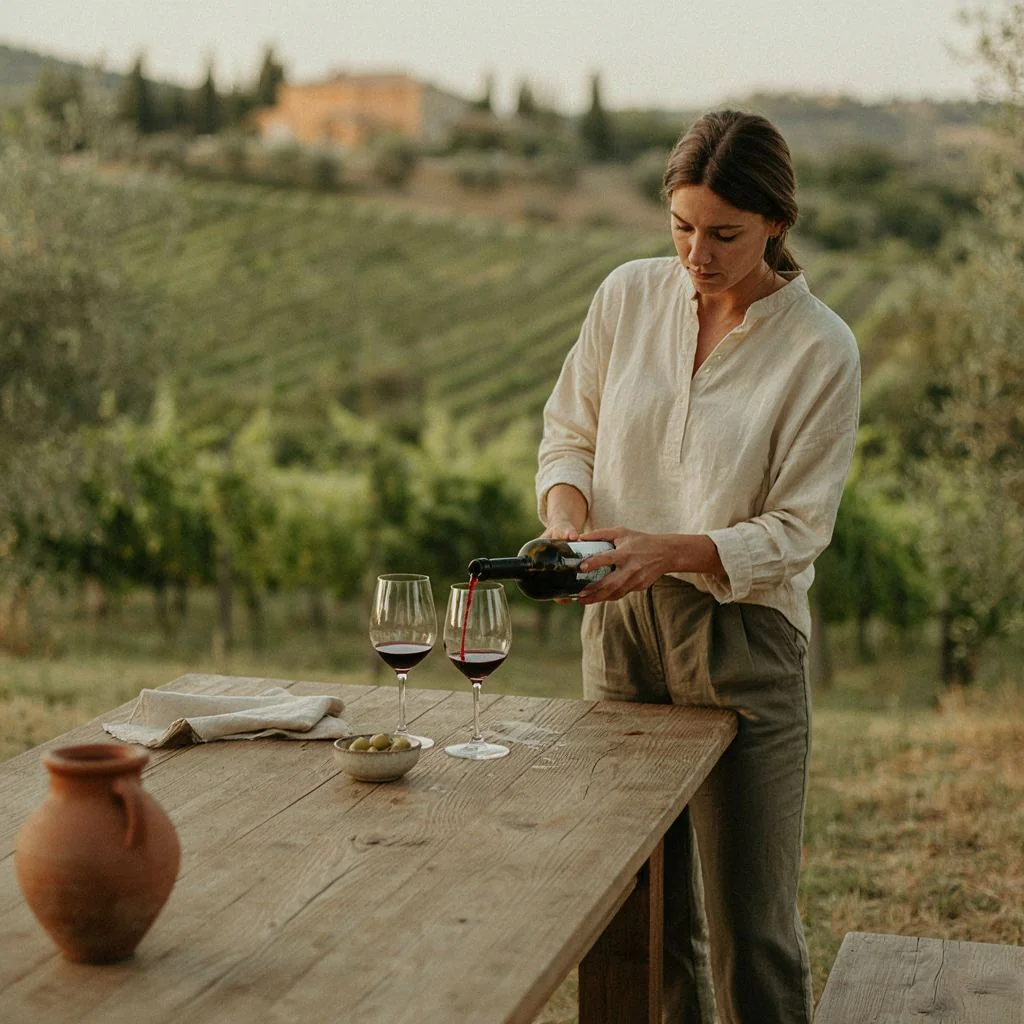
For decades, wine trade fairs and wineries spoke different languages: one told the story of the product, the other welcomed the visitor. Today the two worlds are merging. The watchword is wine tourism understood as a complete experience, not as a simple barrel-cellar visit. Wine Hospitality is now the term used to define this new alliance between fair and estate. In the coming months, the European calendar will prove it with events increasingly geared toward hospitality. Producers who understand this transition face a favorable market. Wine is purchased by 84% of Italian households and continues to reward those who can turn a glass into a lasting relationship.
When Wine Hospitality becomes the product
Milano Wine Week has presented its ninth edition, scheduled from October 17 to 25, with more than 100 events spread across the city. The most significant debut is the format dedicated to Wine Hospitality. It includes the first forum on wine hospitality and the awards that recognize the 50 wineries across Italy most capable of welcoming guests. It also includes a showcase open to the public. President Federico Gordini speaks of nine years growing alongside the wine world, intercepting new languages.
The same direction in France. The Percée du Vin Jaune of 2027 is preparing in Arlay for February 6 and 7. There will be 54 producers taking part, up from 47 in the previous edition. Tickets surpassed 2,000 sold just five days after opening. The goal is to reach 33,000 visitors. Capacity could rise to 20,000 people on Saturday alone. Producer Sébastien Cartaud is the ambassador of the edition. According to him, the village of Arlay offers more space than Lons-le-Saunier. This makes it possible to distribute the crowd better among the caveaux. The aim is not the historic record of 60,000 visitors. The aim is the quality of distribution, which is exactly what distinguishes a hospitality event from a mass event.
The fear of the bar and the lesson of the wine lounge
Among producers, a recurring worry circulates: opening the winery to informal consumption would turn it into a bar. Consultant Lavinia has a precise objection to this simplification. Wine lost popularity precisely because it was burdened with austerity, turned into a subject of study. The tourist seeks leisure, landscape, relaxed moments.
The decisive distinction is not between high and low. It is between bar and wine lounge, an identity-driven space where the customer experiences the brand with ease. A guest may drop in for just two glasses without booking the full tour. It is precisely in those three minutes while the glass is being poured that the real game is played. Telling the company’s philosophy in a light way, making the visitor fall in love, turning the glass into direct sales and loyalty. A few minutes of informal storytelling is worth more than an hour-long technical monologue in the barrel cellar. Opening to leisure without cheapening the brand is a complex undertaking. It requires hybrid formats and trained staff. High-end tours and afternoon aperitifs must coexist, and this does not happen by itself.
The method of welcoming guarantees the chance to meet a new audience, not the quality of the relationship: that remains the responsibility of those who serve the wine.
Giovanna Voltolini, Group Exhibition Manager at Riva del Garda Fierecongressi, also insists on this point. Her two fairs observe the same change from different angles. FINE Italy is dedicated to wine tourism and Hospitality to the entire accommodation sector. Travel today no longer has separate compartments. Wine, wellness, dining and territory all contribute together to the perception of a destination.
What time builds, and what it does not
If the experience is the product, Mamoiada shows how much time it takes to build a credible one. In Sardinia’s Barbagia region, the Mamojà association was founded in 2015, when only five wineries were bottling. Today more than thirty estates put wine in bottle, among 2,400 residents and 350 hectares of vines. One official winery for every 60 inhabitants is a ratio rarely found elsewhere. To this add roughly 200 family productions.
The result did not appear by magic. Every harvest added experience, and comparing a Cannonau from ten years ago with recent bottles shows a change of pace. Less extraction, more composed tannins, more discreet wood. In 2024 talk turned to zoning, and today the discussion is about stylistic differences between the “ghiradas”, the local districts of the territory. One memorable fact contradicts any easy enthusiasm. The wines of the area, now as then, leave the cellar labeled as Cannonau di Sardegna. This is the same appellation as wines produced hundreds of kilometers away. The appellation guarantees origin, not the identity of the place. That is built by altitude, granite, the old bush vines and, above all, the shared rules of the association, which requires residence in the village, organic viticulture and spontaneous fermentations. This year’s conference called it “community”: a network of families and wineries that makes Mamoiada attractive in a context of rural depopulation.
A market that pays for quality, and for those who know how to tell it
The numbers converge from different directions. In the first ten months of the year, Italian wine surpassed 600 million liters sold. The NielsenIQ data were presented in Milan. The supply chain involves around 500,000 workers. Both purchase spending and the average price per liter are growing: the consumer rewards value, that is, the experience that accompanies every label. The first edition of FINE Italy generated 1,440 business meetings. Many arose from mutual preference between buyers and exhibitors. The model was built together with the Spanish partner Feria de Valladolid.
The picture that emerges is of a sector in which the relationship is worth more than volume. Mamoiada took ten years to go from five to thirty wineries, the Percée of 2027 welcomes 54 producers around the 2020 vintage, Milan dedicates nine days to hospitality. The practical questions remain open. How many wineries will be able to invest in staff training? How long will the patience of those who want to build a territory instead of selling a weekend last? Between the opening toast at CityLife and the clavelinage on Friday in Arlay, the answer is written one glass at a time.
Sources:
- Milano Wine Week 2026, dal 17 al 25 ottobre la nona edizione tra… | winemeridian.com
- Cose grosse a Mamoiada | intravino.com
- “Grosse” Percée du Vin Jaune en 2027 : plus de vignerons, au moins… | vitisphere.com
- Giovanna Voltolini: FINE Italy e Hospitality, sguardi complementari… | winemeridian.com
- “Non voglio che la mia cantina diventi un bar”: superare la paura… | winemeridian.com