
Regions and grapes
Catarratto Reborn: Mandrarossa's Lalbìra Elevates Sicilian White
Catarratto reborn: The world of wine is dotted with stories of indigenous grape varieties, some celebrated, others long underestimated.
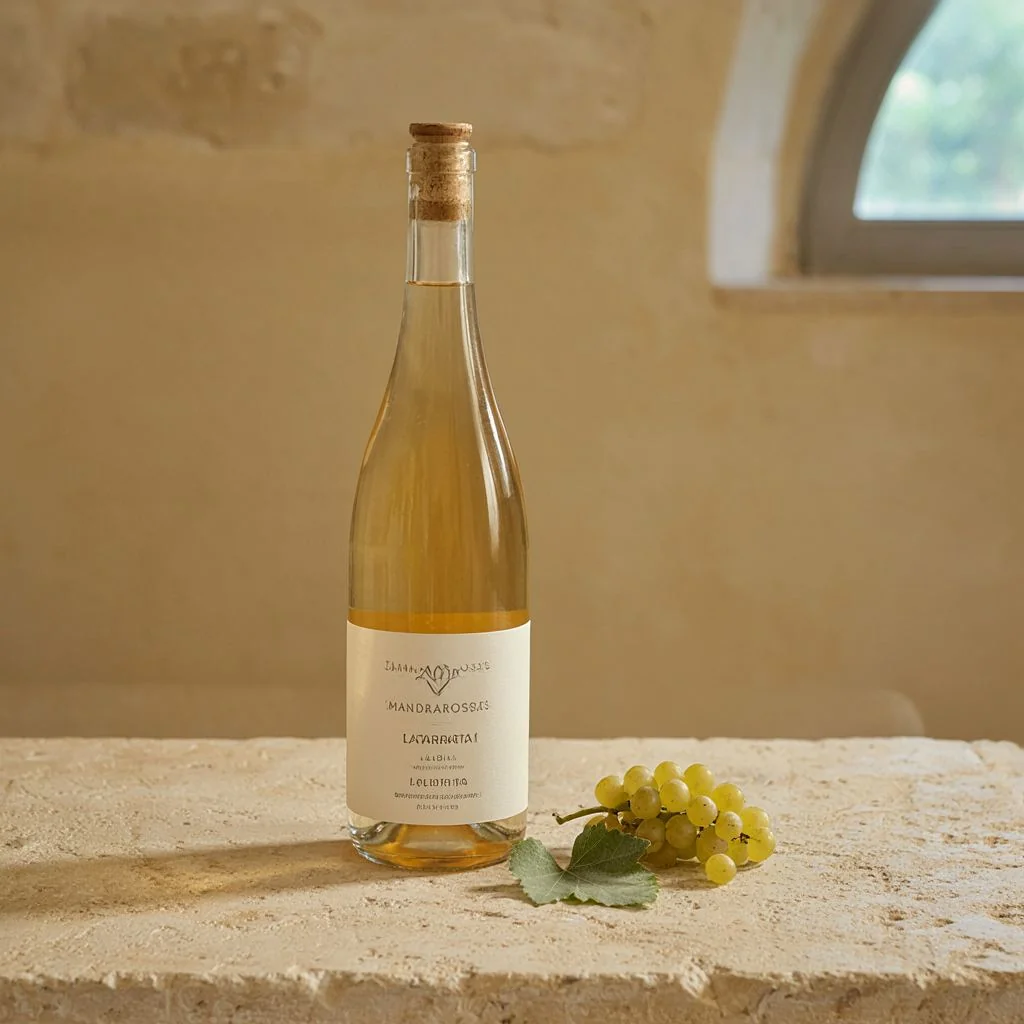
The world of wine is dotted with stories of indigenous grape varieties, some celebrated, others long underestimated, waiting for the right interpreter. In Sicily, Catarratto, a white grape historically the most widespread on the island, spent decades in the shadow of varieties considered more prestigious. This perception, however, was not tied to any intrinsic shortcoming of the variety but rather to a prejudice born of its very abundance. The arrival of wines like Lalbìra from Mandrarossa is overturning that narrative. They show a grape’s ability to express great quality. The variety reveals a distinctive character when managed with care and cultivated in the most suitable areas.
Catarratto: From Prevalence to Prestige with Mandrarossa
Catarratto, despite being the most common white grape in Sicily, was long penalized precisely because of its ubiquity. Too “home-grown” to deserve attention, too common to be perceived as valuable, it spent decades in a secondary position. This injustice was the result of a prejudice, not a real lack of merit, as its revival now demonstrates.
Behind the turnaround of Catarratto and the Mandrarossa brand is Cantine Settesoli, a striking example of excellence in the landscape of Italian wine cooperatives. Already among the very first cooperatives in the country, Settesoli had understood that a simple label was not enough to enhance the wines of its members. What was needed was an authentic viticultural and oenological project aimed at quality.
This strategic approach translated into a study lasting more than twenty years, started even before the birth of the Mandrarossa brand in 1999. The goal was to identify the best match between variety and terroir. There is a constant long-term commitment. This includes in-depth work on soils, in particular on calcareous ones. A research activity that continues today with an international team of experts.
The Search for Terroir and the True Expression of Lalbìra
Lalbìra, launched this year together with three other wines from indigenous varieties, is the most recent result of this commitment to territorial identity. The wine is born in Salaparuta, in the Belìce Valley, from vineyards located between 450 and 480 meters of altitude. Here, the soils are calcareous. North, west and south exposures create ideal conditions. These enhance the qualities of Catarratto, valuing the characteristics of the terroir.
The vinification process of Lalbìra is designed to respect and highlight the pure character of the grape. It is a pure Catarratto, certified Salaparuta DOC, whose harvest takes place in the third week of September. Low-temperature fermentation and an ageing of six to eight months in stainless steel ensure that the wine maintains its freshness and authenticity. No oak is used to mask its true face, guaranteeing a natural expression. Production is around six thousand bottles.
In the glass, Lalbìra shows a straw-yellow color with greenish highlights. The aromatic profile is intense, with notes of orange blossom, jasmine, lemon and grapefruit. But it is on the palate that the wine fully reveals its personality. Fresh, savory and fragrant, with a minerality that keeps the fruit taut and contributes to a persistent finish. It is a white that does not merely accompany a meal but takes on a leading role, asserting its identity.
Lalbìra demonstrates that Catarratto did not need to be rediscovered but someone who truly believed in it.
The ideal pairing for Lalbìra is with dishes that emphasize its sapidity, such as grilled grouper. The wine’s salinity blends with the texture of the fish. They create an extraordinary harmony. This confirms its ability to be a perfect table companion. This success underlines how Catarratto, when valued, can offer a gustatory experience of great distinction.
Mandrarossa’s Horizon: Biodiversity and Sicilian Innovation
The Mandrarossa brand represents the authentic expression of an innovative and modern Sicilian winemaking, deeply tied to the island’s biodiversity. Its strategy of investing in territorial identity through indigenous varieties materialized in 2026 with the launch of four new wines, including Lalbìra, the Catarratto Brut Terre Siciliane IGT 2025, the Nerello Mascalese Rosé Terre Siciliane IGT 2025 and the Perricone Cantacorvo Terre Siciliane IGT 2025. Mandrarossa actively explores new territories in Sicily. An example is the slopes of Etna, where it has selected two hectares of Carricante and four of Nerello Mascalese for Etna DOC wines. It has also started producing a sweet wine on Pantelleria, cultivating two hectares of Moscato di Alessandria for a contemplative wine.
Mandrarossa’s commitment goes beyond production, embracing also wine tourism. In 2021, the company inaugurated the Mandrarossa Winery in Menfi, an eco-sustainable cellar designed to offer an exciting visit route. This facility is a crossroads of sensory experiences, olfactory and gustatory, where wine is always the great protagonist. The quality of Mandrarossa wines is attested by numerous international awards and recognitions. Cartagho has received six Tre Bicchieri from Gambero Rosso. Santannella, Timperosse and Cavadiserpe have also enjoyed success.
Mandrarossa continues to demonstrate that innovation in the wine sector passes through a deep knowledge and enhancement of its roots. The success of Lalbìra and the awarded wines attest to a vision that has transformed a long-underestimated grape variety into an expression of prestige and a symbol of the new Sicilian oenological identity. This strategy not only elevates the perception of indigenous varieties but positions Sicily as a protagonist in a dynamic, high-quality winemaking.
Sources: