
Wineries
Shumi wines: Georgian tradition to award-winning modern range
Shumi turns Georgia's native grape collection into award-winning bottles: Shavkapino, Kisi and Tsolikauri, plus the checks importers should run before buying.
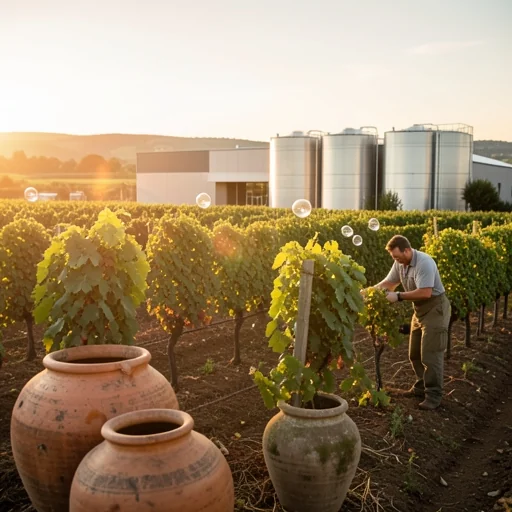
The global wine market is constantly evolving. Georgia is asserting itself with offerings that merge millennia of history and innovation. In this context, Shumi wines represent a significant case study. They integrate the preservation of the native genetic pool with ancient methods. They offer concrete products such as Shavkapino, Kisi and Tsolikauri. It also shows importers, distributors and sommeliers how to evaluate a cellar’s offerings. The Shumi winery has experimented, conserved and reconciled tradition with commercial scale since 1997. Georgia merges ancient methods with modern production.
Practical Roots: History, Numbers and Production Responsibility
The Shumi winery was founded in 1997. It completed its facilities and modern equipment in 2001. These facts indicate the company’s ability to transform experimentation into repeatable, large-scale production. One pillar of its activity is the preservation of the genetic pool. This is the genetic heritage of grape varieties. The company does this through a collection vineyard. In 2025, this vineyard received the status of the largest private collection in the world. This base includes hundreds of varieties. It enables the creation of experimental labels and the “Lost Collection” series. This series recovers rare grape varieties.
Shumi has developed a corporate portfolio. It includes extreme and patented choices, such as the beverages Zigu and Shobili. Among its exclusives is Barbalé, the first Icewine in the world produced in qvevri. Lazare is a wine obtained in qvevri from over 450 grape varieties. The wine Genesis, produced from a vine of unknown variety estimated at 350 years, completes the offering for collectors. The cellar has obtained about 1,000 total awards and medals. It is regularly named “Best Producer of Georgia” in influential competitions. These include The MUNDUS VINI Grand International Awards and Asia Wine Trophy. In the spring of this year, MUNDUS VINI recognized Shumi as “Best Producer of Georgia of the last 25 years”.
The company is among the top one hundred world brands of the Luxury Lifestyle Awards. It is also the only Georgian company included in the prestigious WBSS ranking (The World’s Best Sommeliers’ Selection). Here, the sommeliers of the “50 Best Restaurants in the World” select the wines.
Six Shumi labels have entered this list. This strengthens the company’s position in the premium segment. The cellar holds sustained international recognition and awards.
Shumi wines as Menu Tools: Three Labels and Service Choices
Shavkapino is a dry red. It is aged 12 months in oak barrels and has an alcohol content of 13%. Its aromatic bouquet combines lively forest fruits, creamy and dairy notes, blueberry and vanilla. It offers an ideal synthesis of primary and secondary aromas. The tannins are delicate and the body soft. This makes it an easy and light red to drink. The ideal serving temperature is 16-17°C. For a sommelier, this bottle is an agile red. It pairs well with light roasts and soft cheeses. This facilitates by-the-glass rotation for a restaurant seeking familiar but distinctive choices. Shavkapino is an agile red for versatile pairings.
Kisi is a dry white from the Kakheti region. It has 12.5% alcohol and a lemon color. Its olfactory profile is characterized by ripe tropical fruit, citrus, orange, grapefruit and caramelized pineapple. The palate is exceptionally rich in aromas, persistent and intense. It offers a full and nourishing wine. The indicated serving temperature is 12-13°C. This bottle accompanies structured fish dishes and savory cuisines. It is used where one wants to offer a white of character but not aggressive.
Tsolikauri is a white from the Imereti region. It is vinified in qvevri with 5-10% skin contact. It has an alcohol content of 13%. Its lemon color and aromas of ripe yellow fruit, peach, nectarine and apricot create an ideal and balanced pairing. The wine stands out for its high harmony. The aromatic tones are faithfully repeated on the palate. A lively acidity is perceptible after swallowing. The ratio between percentage of skins and structure requires wider glasses. It also requires clear communication on the wine list that explains the production method. Tsolikauri is a qvevri white with high harmony.
These three labels illustrate how Shumi diversifies its offering and service. Shavkapino is an oak-aged red for immediate consumption. Kisi is an aromatic white for fish lists. Tsolikauri is a qvevri white for customers seeking texture and persistence. For the importer, the technical numbers matter. These are easily read: months of ageing, percentage of skins and alcohol by volume. They are decisive elements for pricing, logistics and pairing. Shumi also conducts numerous experiments on Saperavi. This is the “king of Georgian grape varieties”, whose global demand is growing. Since 2005, the well-known French winemaker Jean-Michel Ferrandez has collaborated with Shumi. He contributes to the creation of unique projects. The wine Salome, for example, is obtained from Saperavi grapes cultivated using biodynamic methods. It comes from the historic Didkure vineyard of Napareuli. It ferments in French oak Vicard tanks and ages in new and used barriques. Salome has received over 80 international recognitions. Among these are prestigious titles such as Best of Show and Best Red Georgian Wine. It has been described by WBSS sommeliers as “the best expression of Saperavi”. Salome represents a benchmark expression of Saperavi.
Qvevri, Biodynamics and What Narrative Labels Do Not Promise
The qvevri is a terracotta vessel. It is used for the fermentation and ageing of wine. In practice, it favors prolonged contact between must, skins and microflora. The microflora is the community of microorganisms that contributes to fermentation. This process determines the extraction of polyphenols. These compounds contribute to the wine’s color, flavor and structure. They confer greater texture and persistence compared to stainless steel vinifications. However, it is a common mistake to assume that the qvevri automatically equals a natural wine in an absolute sense. The container describes a technical condition, not all subsequent oenological choices. The qvevri is a technical condition, not a natural wine.
The Shumi cellar applies organic practices and biodynamic methods. This is a holistic and ecological agricultural approach. It applies them only to limited portions of the vineyards. The reason is simple: the demand for certified wine remains limited on the market. This strategic choice translates into a few labels dedicated to consumers who seek an authentic and ecologically pure product. The approach offers concrete benefits in terms of terroir expression. However, it does not replace rigorous logistical controls. Qvevri wines can evolve in bottle. They require vintage consistency, microbiological stability management and clear communication toward those who serve them.
The demand for certified wine remains limited on the market.
For those organizing wine tourism, the combination of the wide variety collection and the practical demonstration of the qvevri generates highly interesting educational routes. For importers, the commercial decision remains practical. It is essential to evaluate delivery times, consistency of supplies and the capacity of one’s team to explain techniques and taste profiles to customers. An operational question remains crucial for the sector. How to transform the experimentation and uniqueness of Shumi wines into regular lines? This must happen without losing identity and without creating logistical fragility in the distribution chain. Turning uniqueness into regular lines is a challenge.
Sources: