Market and export
Quèto Grillo BIO: Feudo Arancio's organic white from Sambuca
Feudo Arancio presents the Quèto Grillo BIO, an organic white from Sambuca di Sicilia produced in around 15,000 bottles and tasted in October 2026.
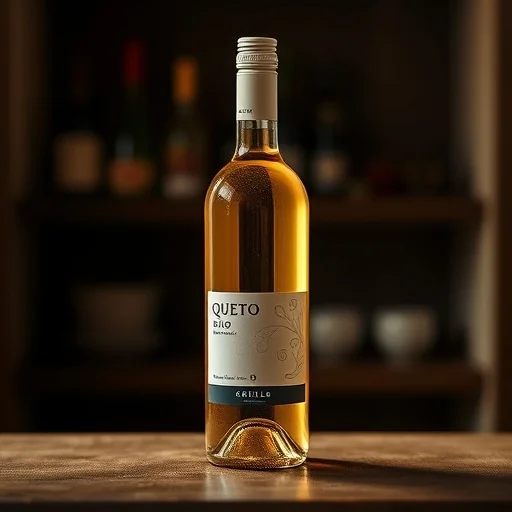
Feudo Arancio is the Sicilian estate of the Mezzacorona Group. In October 2026 its Quèto Grillo BIO was the subject of a tasting review. It is an organic white from the Quèto line, produced in Sambuca di Sicilia, in the province of Agrigento. Production is limited to around 15,000 bottles. That figure places the wine in a niche band compared with the usual volumes of a large cooperative. The case deserves attention for any importer or restaurateur looking at Sicily. Grillo is today the island’s most commercially successful white grape variety. Understanding how a structured estate interprets it helps to read the market.
Quèto Grillo BIO: a case of qualitative growth in the organic sector
Grillo is not just a matter of numbers. In recent years the variety has recorded the most evident qualitative growth among Sicilian whites. The starting point was wines that were often simple, sometimes a little tired. Today there are increasingly precise, crisp and recognizable interpretations. The taste profile also explains the commercial success: freshness, aromatics, easy drinkability with an identity of its own. These are exactly the characteristics that current consumption trends ask of white wines.
The Quèto Grillo BIO is a concrete example. On the nose it offers mature, generous exotic fruit interwoven with delicate floral notes, almost like sunlit field flowers, without ever becoming cloying. On the palate it is harmonious and flowing, with a measured freshness that keeps the wine in balance and a persistent finish. It is a white that drinks with great ease but leaves something behind. In the tasting, this was pointed out as its finest quality.
A vineyard in Sambuca di Sicilia between tuff and the Mediterranean
The grapes come from a specific vineyard on the Sambuca di Sicilia estate. The site sits at around 200 meters of altitude, on calcareous, grass-covered soils, close to a tuff quarry. The Mediterranean is near enough for its breezes to be felt. In the cellar, fermentation and maturation take place in steel, followed by at least four months of bottle refinement. In the glass, the wine shows a full, luminous straw yellow.
The Quèto line is built on organic wines that aim to tell the story of their place of origin with simplicity. In the pairing test, the white was served with a Sicilian seafood risotto. The dish is rich in savoriness and sea aromas. The wine’s freshness balanced the creaminess of the risotto. Its aromatic component conversed with the flavors of the sea. The pairing was judged a winner, one to repeat.
What organic certification guarantees and what it does not
The BIO wording on the capsule indicates a cultivation method, not a level of quality. Organic farming sets out how the vine and the soil are worked, with precise bans and limits on treatments. It says nothing about the precision of the winemaking, the health of the grapes at harvest, or the consistency of the result in the bottle. Confusing the method with the qualitative outcome is the most widespread oversimplification in this field.
The case of the Quèto Grillo BIO illustrates the distinction well. The certification itself does not make the wine recognizable. What does is the combination of a defined site, a specific altitude, calcareous soils and careful handling of freshness in the cellar. The certification guarantees the agronomic framework; the rest depends on studied choices and work on the territory. For buyers, the correct reading is this: organic is a requirement of method, quality must be verified in the glass.
The cooperative model of Mezzacorona behind the wine
Feudo Arancio belongs to the Mezzacorona Group, the Trentino cooperative founded in 1904. The union of north and south has brought a rigorous working method to Sicily without altering the character of the territory, according to the company information of Feudo Arancio. The cooperative model values the work of its member grape growers and promotes a wine culture oriented toward quality, sustainability and wellbeing.
The Group invests in research and technology to improve quality and efficiency, while preserving knowledge handed down over time. The company operates with a strong international outlook. It owns vineyards both in Trentino-Alto Adige and in Sicily. There, native and international varieties find the conditions to express their potential. The range includes red and white wines, Metodo Classico Trentodoc sparkling wines and grappas. The presence in the territory of Sambuca di Sicilia remains the reference point for the wines of the Quèto line. It is there that the Grillo of this label originates. It is the tasting profiles just described that tell whether the balance between method and territory works.
Sources: