
Market and export
Natural wines: operational checklist for import, storage and service
Natural wines arrive with different rules than industrial ones and require precise information to import, store and serve correctly.
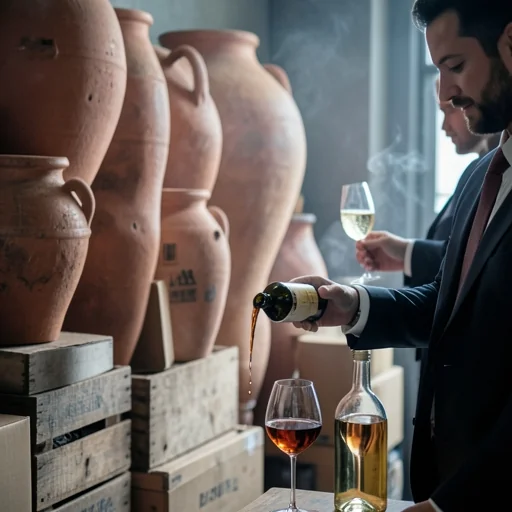
Natural wines arrive with different rules than industrial ones. They require precise information to import, store and serve correctly. Four concrete examples show what to request on the technical sheet, how to interpret numbers like 13% alcohol and which packaging to choose to limit risks in the cold chain. Some operational terms are useful for buyers: qvevri, Chona’s Marani, pétillant Extra Brut, yield per hectare and insulated packaging.
Reading labels to make operational decisions on natural wines
A useful technical sheet lists alcohol, color, aromas and serving temperature. Manavis Mtsvane declares 13% alcohol and lemon color. The indicated temperature is 12-13°C. That temperature preserves freshness and minerality. The pétillant Extra Brut shows 12.5% alcohol and straw color. The recommended temperature is 7-8°C. This keeps the bubbles and perceived acidity when poured. Every figure guides packaging and the service phase. Technical sheets must list alcohol, color and temperature.
In the case of amber wines, Chona’s Marani is intended as a wine macerated in qvevri. Qvevri are large terracotta amphorae used to ferment and age. Chona’s Marani declares 12.5% alcohol and amber color. The suggested temperature is 17°C to balance tannin and structure. For reds, Saperavi indicates 13% alcohol and light cherry color. The serving temperature is 18-19°C.
Checks that dispel simplifications and what the qvevri method DOES NOT guarantee
The qvevri promotes extraction of polyphenols and noticeable tannin. This is clear in amber whites that express dried fruit and preserves. However, the method does not ensure microbiological stability. You must request pH and values of total and free SO2. Without these numbers you cannot assess the risk of refermentation or oxidation in the warehouse. Do not accept the idea that natural means absence of faults. The method is a technical choice, not an automatic guarantee.
Also request the fermentation method and the production lot to anticipate variability. Yield per hectare defines how representative a sample is. This number indicates the amount of grapes harvested per surface and influences concentration and intensity of the wine. Use these data to establish quality control rules on arrival. Request pH and SO2 values before assessing microbiological risk.
Operational checklist for importers, distributors and restaurants
Before confirming an order, ask for alcohol percentage, serving temperature, and method (qvevri or stainless steel). Ask also for pH and total/free SO2, lot code and yield per hectare. For transport, choose insulated packaging that maintains a stable temperature for the entire trip. Insulated packaging means boxes or crates with thermal insulation and references of R-value or thermal retention time.
Checking pH and SO2 is essential to assess risks of refermentation or oxidation.
On arrival, carry out a visual inspection. Record the temperature. Run quick pH and SO2 tests on the first lot received. Note 12-13°C as a reference for fresh whites, 7-8°C for sparkling, 17°C for macerated whites and 18-19°C for light reds. Evaluate long-term storage conditions. Verify how vintage variability affects tannins and acidity with the producer in detail. Insulated packaging maintains stable temperature during transport.
Using technical data helps reduce risks along the supply chain.
Perform regular checks and keep detailed records for each lot. Store wines according to their declared serving and storage temperatures. Communicate deviations immediately to the producer or supplier. These practices limit the chance of refermentation and oxidation during storage and service.
Natural wines require precise information to operate correctly.
Sources: