
Qvevri and tradition
Containers Influence Wine Evolution: Storage for Qvevri and Amphora
I containers influence the way a wine evolves and how it must be managed by importers, distributors, and sommeliers.
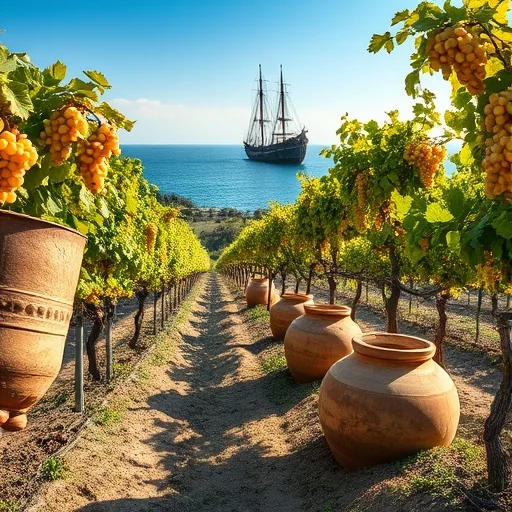
I containers influence the way a wine evolves and how it must be managed by importers, distributors, and sommeliers. This guiding sentence centers two concrete facts: the discovery of a Roman ship loaded with amphorae and the amber wine produced in the Georgian village of Babaneuri. Qvevri are large earthenware jars buried underground. They are used in Georgia to ferment and age wine. Babaneuri is a village in Kakheti where a style declared “dry amber” with 13% alcohol is produced. Bringing these materials together helps decide storage and packing specifications. Containers influence sensory evolution of wine. Containers determine wine management by supply chain actors.
Containers influence the sensory evolution of wine.
Containers influence the way a wine evolves and how it must be managed by importers, distributors, and sommeliers.
Why containers influence oxygenation and preservation
The Roman ship was found at 46 meters depth. It contained hundreds of amphorae. The wreck measures 21 meters in length and 6 meters in width. It is dated between the 2nd and 1st century BC. The amphorae were sealed for maritime transport. This practice limits air ingress and preserves the cargo. Comparing them with qvevri shows that porosity, seal, and placement of the vessel determine oxygen exchange. A buried jar exchanges oxygen differently from a sealed amphora.
For those who work with wines from traditional containers, management of the lees and contact time determine tannins and stability. The Babaneuri wine shows aromatic profiles of spices and yellow fruit. It presents velvety tannins. This outcome does not derive only from the qvevri. It derives from the combination of grape, Kakheti soil, winemaking practices, and time in the container. Historical amphorae document logistical reliability more than intrinsic organoleptic quality. Lees management determines tannin development and stability.
Materials and practices together determine the sensory outcomes of the wine.
Practical implications for importers and warehouses
Babaneuri recommends a serving temperature of 16-17°C, a parameter already useful for the warehouse. For wines from qvevri or amphora, arrival checks are recommended. Carry out inspection of seals and verify the integrity of the container. Perform an olfactory test for abnormal odors. Verify closure tightness. At packing stage provide shock protection for ceramics and packaging that maintains stable relative humidity. Humidity and temperature swings can compromise corks and joints.
Inspections must include seal inspection and olfactory testing. A practical example: specify in the purchase order packaging with closed-cell foam, straps with limited tension and temperature sensors for shipments over 48 hours. On receipt, document photographs and perform a sensory test within 24 hours. Keep a sample under control at 16-17°C for 30 days to assess oxidative stability. Because containers influence oxygen exchange and structural risks, these checks are essential. Inspect seals and perform olfactory tests immediately on arrival.
Debunking the myth: the container helps but does not decide everything
It is common to think that using a qvevri guarantees an “authentic” wine. This simplification is misleading. The qvevri offers particular conditions of contact with the lees and oxygen exchange. It does not replace factors such as grape variety, harvest management, and equipment hygiene. Likewise, the presence of amphorae in a wreck shows capacity for preservation during long voyages. It does not demonstrate the sensory quality of the wine transported.
The next moves are concrete measures: define packaging specifications, arrival inspection checklists and monitoring protocols at 16-17°C for amber wines like those from Babaneuri. Only with repeatable measures can material heritage be translated into reliable supplies for restaurants and shops. Repeatable specifications turn heritage into reliable supplies.
Outlook and next steps
To turn historical knowledge and artisanal practice into operating procedures, three actions are needed. First, codify packaging and storage specifications for each type of container. Second, insert mandatory checklists for arrival inspection. Third, adopt monitoring protocols at 16-17°C for amber wines. These measures reduce logistical risks and preserve sensory quality. By following repeatable steps, importers and distributors can offer more reliable supplies to restaurants and shops. Containers influence how those procedures are prioritized and implemented. Codified specifications reduce logistical risks and preserve quality.
Sources: